Image from foodrenegade.com
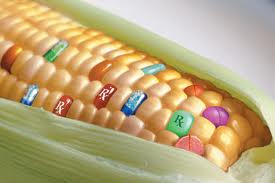
Genetically Modified Foods are foods that are derived from genetically modified organisms, which have had specific changes introduced into their DNA. It was first put in the market in the early 1990’s. The modification of the organism involves insertion or deletion of genes. Cisgenesis is a type of modification when genes are artificially transferred between organisms that could be bred conventionally. Transgenisis is the most common type of modification and is when genes are transferred from different species. Transgenisis also requires the use of a virus. The two main characteristics that are being modified for the organisms are to produce its own pesticide and to have herbicide tolerance. Today within the U.S. 94 % soy, 90% cotton, 90% canola, 95% sugar beets, 88% corn, +50% Hawaiian papaya are all genetically modified food.
The Center for Disease control reported in 2001, that food is becoming more of an important cause of illnesses within the U.S. It stated that it was becoming twice more likely to cause illness. This is a close correlation to when genetically modified organisms were becoming increasingly popular within the U.S.
There is opposition to genetically modified foods within large parts of the world. Europe is strongly against the use of genetically modified foods and has banned a large portion of them within the grocery stores. The United States is lacking when it comes to becoming aware of the hazards that are involved when using gmo’s.
More information regarding genetically modified foods: