


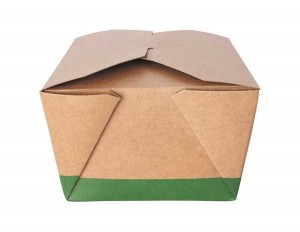
 It’s happened to all of us: You’re at your favorite restaurant and can’t eat another bite of that heaping entrée you ordered. The server asks if you’d like to take the leftovers home and you just know you’ll eat it for tomorrow’s lunch. Well, noon rolls around the next day and you realize that delicious pasta is sitting forgotten in your refrigerator. Arriving home you find you just aren’t in the mood for it and it’s congealed itself into something with no resemblance to last night’s masterpiece - no amount of reheating can possibly do it justice. You feel the guilt of knowing all that food and especially that Styrofoam container will now end up in a landfill.
Sound familiar?
Uneaten food is the number one material sent to landfills and incinerators each year, making up almost 14 percent of all the municipal solid waste generated in the United States, it’s way past time to change our restaurant habits when it comes to food waste and packaging. The issue of food waste is enough of a problem on its own that it deserves our attention, but just think about the staggering amount of Styrofoam and plastic packaging that gets tossed alongside our food when it’s thrown away.
There are things you can do to decrease your own footprint but convincing your favorite restaurant to adopt more sustainable practices can have a greater effect. While it may be more difficult to inspire change at a larger chain restaurant (though it certainly can’t hurt to try), local and independent restaurants may be more open to trying and testing greener methods. Because recyclable or compostable containers are generally more expensive than less environmentally friendly options, it’s not always an easy endeavor for a restaurant owner or manager to make the leap to adopt greener practices.
Eli Anderson, manager of H20 Sushi, admitted that making the switch to sustainable take out containers was an “increase in cost but we wanted to be environmentally sound. We just built it into our budget.”
• Carry a sheet of aluminum foil in your purse or pocket if you know you’ll be dining out and may want leftovers. Keep some in your car for spur of the moment restaurant outings. Check with the restaurant before bringing your own containers.
• When ordering, ask your server if lunch portions or half-sizes for dinner entrees are available to cut down on serving sizes. This eliminates the need for to-go packaging. Or split your meal with your dining companion.
• During a slow day at a slow time at the restaurant, make a courteous suggestion to a manager or server about incorporating sustainable packaging. This is especially effective if you’re a loyal, regular patron. Better yet, make an appointment with the manager to avoid interruptions and promote discussion.
• Encourage your friends and family to talk to their favorite restaurants, persuading them to make tangible, eco-friendly changes. We know that groups of like-minded people can band together to drive broader awareness and change.
• Dine Green has a great sample email or letter you can send to restaurant managers, asking them to implement greener processes.
• One question you may want to ask yourself in this process is if the restaurant needs to slightly increase the cost on some of their menu items to offset increased container/packaging costs, would you and other diners be willing to pay for those changes? If so, make that known to the restaurants you frequent. Make a thoughtful comment on their Facebook walls or tweet about them.
Information on the best/worst in take-out materials:
What restaurants can do:
Reduce:
• Pack carry-out items in appropriate packaging. Non-delicate food items such as sandwiches and rolls don’t need to be in rigid plastic or Styrofoam packaging. Substitute paper and foil wraps, bags and boxes. Also, make sure the packaging fits the size of the item.
• Instruct carry-out staff to ask customers whether they want napkins, utensils, straws, condiments and even a bag, rather than automatically including them with their order.
Recycle:
• Try to use plastic containers that are easily recyclable and let your customers know they can be recycled.
• Switch to paper products that contain recycled content. Recycled paper napkins, bags, toilet tissue and towels are readily available. If you cover your tables in butcher paper, buy recycled and/or unbleached paper.
Renewable:
A variety of containers and utensils are now made from bio-plastics derived from corn and other plant-based materials. These products come from renewable resources and biodegrade in the proper environment. Also look for ways that you can substitute paperboard boxes for plastic ones. Here are a few alternatives:
• Cups, utensils and clear containers made out of PLA, derived from corn starch,
• Utensils made out of wheat straw,
• Plates made out of sugar cane fiber,
• Clamshell-type containers made out of limestone, cornstarch and wood fiber,
• Lined, unbleached folded paperboard boxes .
• Biodegradable trash bags
These products may initially be more expensive than what the restaurant is paying for plastics or Styrofoam, primarily because they are not yet being produced in the same volumes as plastic containers. But as the price of oil continues to rise, you will see the price gap closing.
For the other restaurant sustainability stories click here.